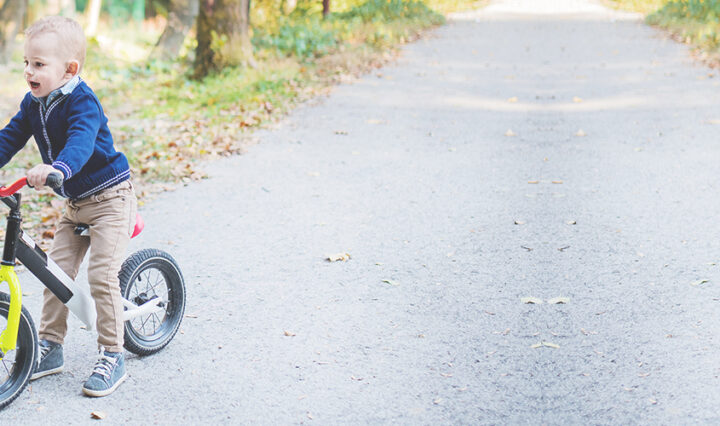
Today I’m sharing some ways of safeguarding your kids in the cyber world. We, as parents, are the guardians of our children’s safety. We slather them in sunscreen before they step out into the sun, we hold their hands while crossing the road, and we ensure they’re helmeted before they hop onto their bicycles. But have we considered the virtual dangers lurking in the corners of the internet?
Ways of Safeguarding Your Kids Online
With 83% of Australian teens accessing the internet thrice or more daily, it’s high time we arm ourselves with the tools of cyber safety. Here are ten tips to kickstart your confidence in safeguarding your kids online.
The Art of Cyber Conversation
Initiate a dialogue about their online activities as soon as your child starts surfing the web. Discuss the content they consume, the people they interact with, and the sites they frequent. This conversation should evolve as they grow older. It’s crucial to instill in them the importance of their online reputation and the public nature of the internet.
The Watchful Eye
Monitor your child’s online time, especially if they’re young. Keep the computer in a common area and set mobile devices to forget Wi-Fi passcodes. This ensures that your child can’t go online without your knowledge. An agreement to keep tablets, laptops, and gaming devices out of bedrooms could also be beneficial.

The Power of Parental Controls
Parental controls and search restrictions can protect your child from stumbling upon inappropriate content. For instance, Google’s SafeSearch Filters block explicit sexual material. While not foolproof, these controls can significantly reduce the risk of exposure to violent or sexual content.
The Circle of Online Friends
It’s essential to be aware of your child’s online friends. Some people on the internet may not be who they claim to be, and children can be surprisingly naive about this. Make sure you’re included in your child’s social media circles and monitor their posts.
The Privacy Shield
Teach your child the risks of sharing personal information or images on social networks. They should be cautious about what they post and share. If they wouldn’t give certain information or a photo to a stranger, they shouldn’t post it online.

The Digital Footprint
Every post and shared detail contributes to one’s digital footprint. Once information is shared publicly, it can be used in unexpected and uncontrollable ways. Teach your child to share only with people they know and trust, and to use privacy settings on social media platforms. Explain how safeguarding your kids is an essential job for parents.
The Location Lockdown
Most apps, networks, and devices have geo-tagging features that make your whereabouts public. These features should be turned off for privacy and safety reasons. Digital photos also contain metadata, which may reveal more than you want to. When considering safeguarding your kids online, ask yourself if you’d want everyone else being able to easily track their location.
The Time Tracker
The Australian Physical Activity and Sedentary Behaviour Guidelines recommend that children between the ages of five and 17 should have no more than two hours of screen time a day. Monitor your child’s online time and set a non-negotiable finish time for each session.

The Social Network Savvy
Educate yourself about safety on social networks to provide the best advice to your children. Sign up to the networks and apps your children use and learn how to use the privacy settings and reporting mechanisms.
One way to ensure your child’s safety online is by using tools like the Webparanoid extension. This tool can help you check the safety of websites, providing an extra layer of protection for your child.
The Role Model
Model the kind of positive online behaviour you want your children to emulate. This includes limiting your own screen time. The goal is not to instill fear in your child but to equip them with the skills and knowledge they need to navigate the internet safely.